Dong Duong Gallery
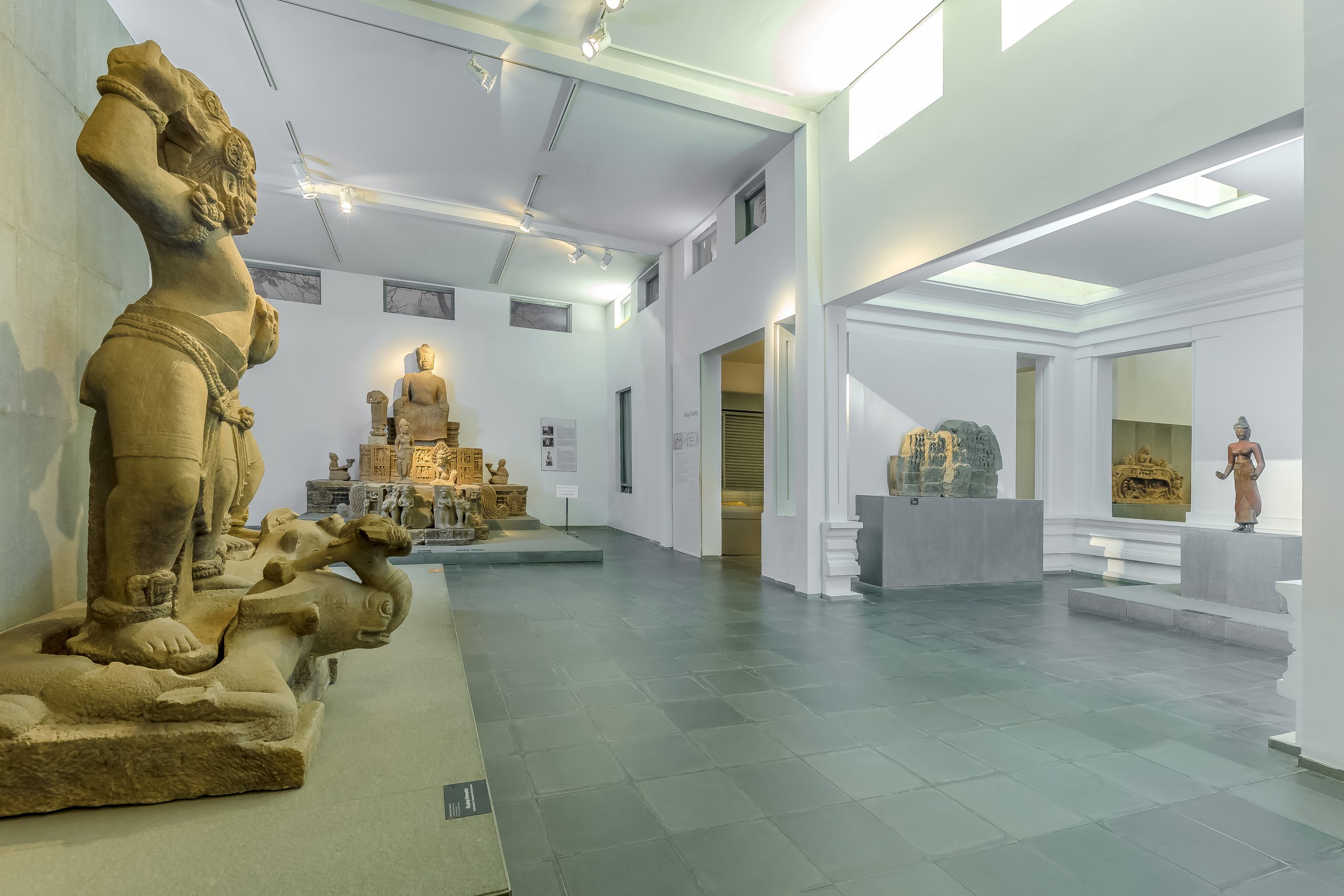
Dong Duong was a major Buddhist center of Champa, located on the lowland plains approximately 20 km south of the My Son Valley.
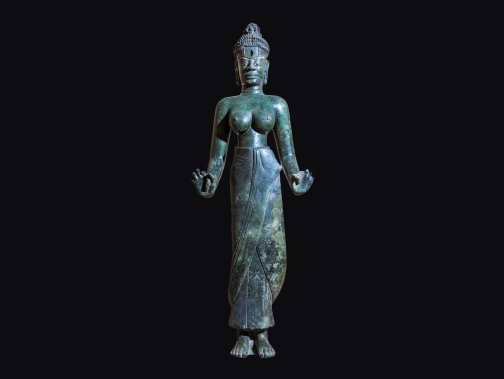
According to inscriptions, King Indravarman II commissioned the construction of a complex at Dong Duong in 875 CE, comprising a monastery and temples dedicated to the Bodhisattva Laksmindra Lokesvara, a form of Avalokiteshvara. The architectural elements were enclosed within rectangular concentric walls aligned along an east-west axis. Each enclosure featured a gate tower facing east, flanked by statues of guardian deities (Dharmapala).
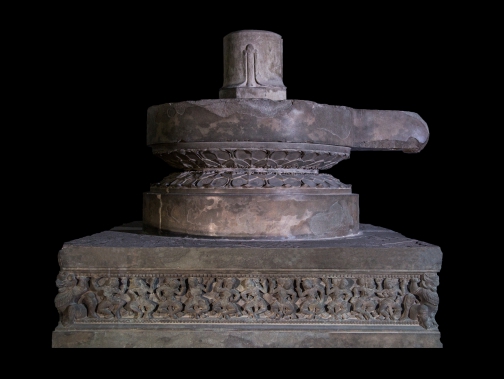
The Buddhist sculptures from Dong Duong demonstrate the development of Mahayana Buddhism in Champa. While exhibiting artistic influences from China, India, and neighboring countries, Dong Duong’s architecture and sculpture strongly reflect indigenous elements, creating a unique and deeply striking style in Cham art.
This archaeological site was surveyed and excavated by Henri Parmentier and Charles Carpeaux in the autumn of 1902. Today, the Dong Duong site has been almost completely destroyed by war and time; however, the artifacts displayed here allow us to imagine the former grandeur and magnificence of this temple complex and Buddhist monastery.