
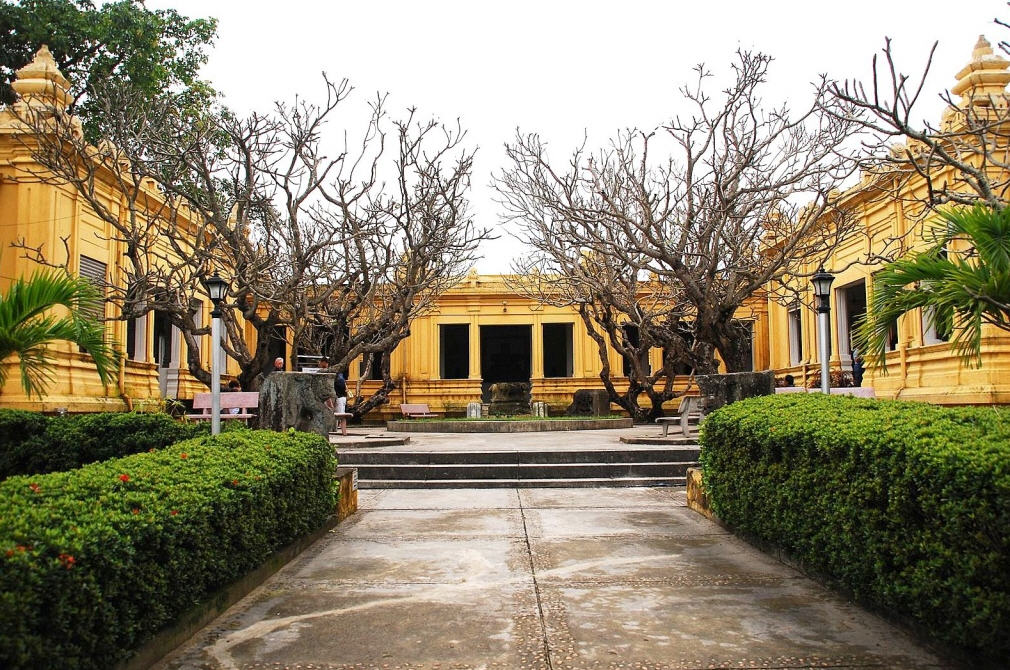
The Party Cell of the Da Nang Museum of Cham Sculpture Organizes a Field Trip and Thematic Activity Entitled “Journey to Red Addresses in Hoi An”
Hoi An is a renowned ancient town celebrated not only for its cultural and architectural value, but also for its association with key milestones in the Vietnamese nation’s resistance wars. During the period of resistance against foreign invaders, Hoi An served as a strategic area for Quang Nam Province, acting both as a source of manpower and logistics, and as a vital transit hub for revolutionary activities.
Hoi An Prison Historic Site
The Hoi An Prison Historic Site is located at 242/12 Ly Thuong Kiet Street, Hoi An Ward. It is a revolutionary historical monument recognized as a Provincial-level Historic Site. Built by the former regime in 1960 under the names “Xom Moi Prison” or “Quang Nam Correction Center,” it was considered an exceptionally brutal and barbaric “hell on earth” established by enemy forces against our compatriots and soldiers. From 1960 to 1975, the prison served as a place of detention and torture for thousands of cadres, soldiers, and citizens captured from across Quang Nam and several other provinces during their participation in the revolution.
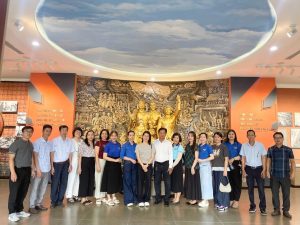
Figure 1. Exhibition House at the Hoi An Prison Historic Site
Hoi An Museum
The Hoi An Museum is located at 10B Tran Hung Dao Street, Hoi An Ward. Currently, the museum utilizes a portion of its area (approximately 400 m2) to display 712 documents and artifacts across dedicated galleries: History & Culture and Revolutionary Tradition of Hoi An. The History & Culture Room displays 335 documents and artifacts introducing the geographical location, history, and culture of Hoi An across three historical periods: Pre-Protohistory, Champa, and Dai Viet – Dai Nam. The Revolutionary Tradition Room features 377 documents and artifacts reflecting the revolutionary struggle of the Party, armed forces, and people of Hoi An throughout two resistance wars against foreign aggression.
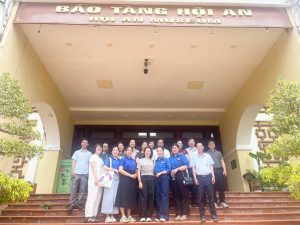
Figure 2. Hoi An Museum
Thanh Ha Terracotta Park Museum
Thanh Ha Terracotta Park Museum is located on Pham Phan Street, Hoi An Tay Ward. It was built around a architectural concept centered on the potter’s wheel—the sacred treasure of Thanh Ha Pottery Village—utilizing handcrafted techniques combined with water, an essential element of terracotta, to connect the architectural spaces. The construction of the two main buildings draws inspiration not only from Champa and Sa Huynh cultures, but also from the village’s two traditional kiln types: the upturned kiln and the downturned kiln, symbolizing the Yin and Yang concepts of Eastern culture. The building modeled after the upturned kiln creates an open space for exchange, interaction, and the presentation of traditional Vietnamese pottery villages alongside contemporary art works. The building styled after the downturned kiln represents preservation and conservation, hosting historical displays of the 500-year-old craft village and exhibiting its signature products.
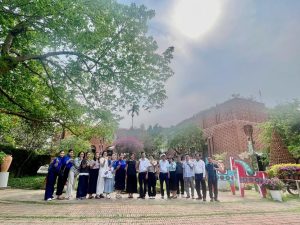
Figure 3. Thanh Ha Terracotta Park Museum
The field trip and thematic activity “Journey to Red Addresses in Hoi An” serves as a deeply meaningful program, fostering revolutionary ideals, enhancing political awareness, and deepening the understanding of local historical and cultural heritage among Party members and staff. Furthermore, the trip contributes to cultivating a sense of responsibility, solidarity, and innovative thinking in daily work, helping build an increasingly strong and steadfast Party cell.
Author: Linh Ngân
Hình ảnh: Chi bộ Bảo tàng Điêu khắc Chăm